100 Movies in 100 Days Vol. 1
Follow along as a wannabe film nerd tries to beat functional freeze and actually watch these movies.
As a recent college graduate trying to beat the unending boredom of my life and force-feed myself creative inspiration, I have decided to take on a goal to watch 100 films over the course of 100 days in hopes of actually sounding like I know what I am talking about, because sometimes just knowing the cultural reference is not enough. Below, you will find my rankings for the first four films in my 100-day challenge.
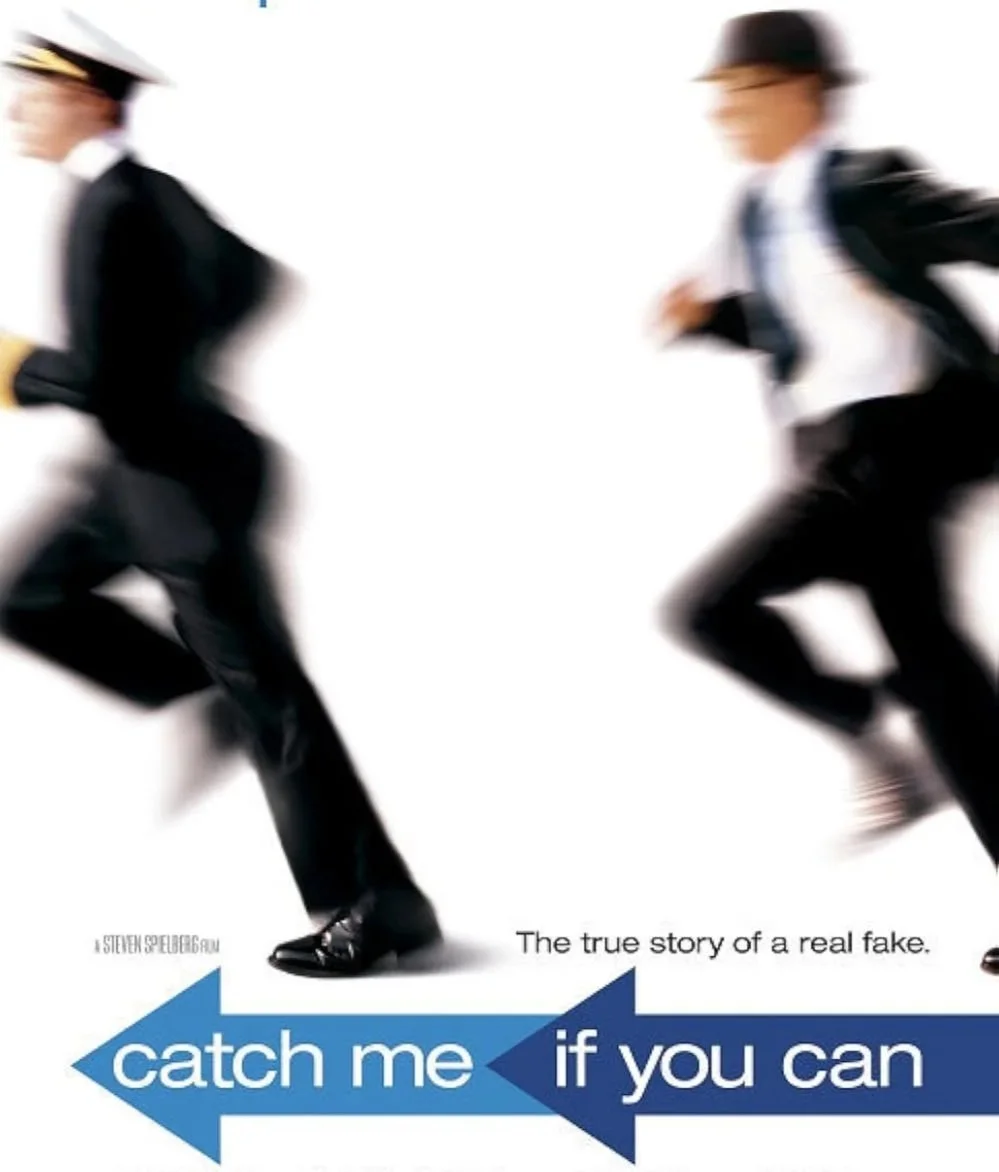
Catch Me If You Can (2002)
Dir. Steven Spielberg
Rating: 3.5/5 stars
The standout in Spielberg's early 21st-century filmography is undoubtedly 2002’s Catch Me If You Can. This two-hour and 30-minute movie feels closer to 90. At this point in his career, you can feel Spielberg’s ease and comfort in his ability to provide the audience with narrative weight and visual depth. If that wasn’t enough of a sell, there is some peak pre-twink-death Leonardo DiCaprio in here with his portrayal of Frank Abagnale Jr., a man so good at committing crimes, you are actually rooting for him to get away with it – even if it costs Carl Hanratty (Tom Hanks) his sanity.
Rosemary’s Baby (1968)
Dir. Roman Polanski
Rating: 4/5 stars
This film is the equivalent of a bad gummy high. There is a 45 minute sequence where the peaceful facade of a young couple’s domestic drama takes a sharp left turn into surrealist horror. What makes Rosemary’s Baby all the more horrifying is that everything just returns to normal, as if what transpired was all a bad dream. Considering director Polanski’s involvement in this film, this is one of the most accidentally feminist films of all time. As the walls close in on Rosemary, we feel that noose tighten, and her loss of autonomy is bone deep, as if our own free will were yanked out from under us. Unfortunately, it is just as relevant today as when it premiered nearly 60 years ago.
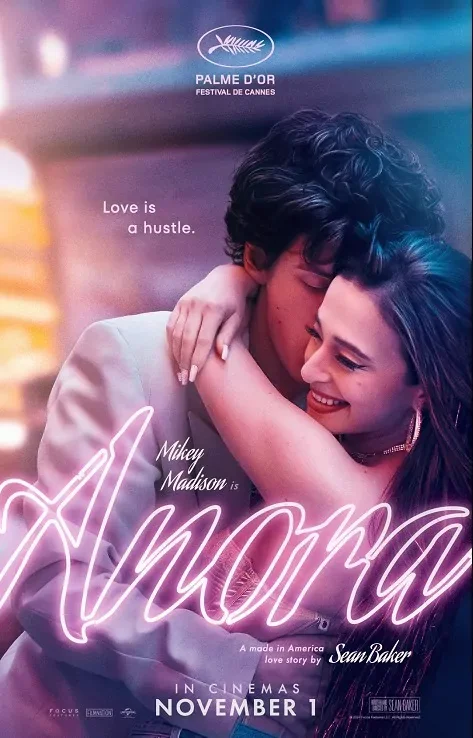
Anora (2024)
Dir. Sean Baker
Rating: 4.5/5 stars
As a reigning Anora Centrist. Mikey Maddison’s titular “Ani” could use a bit more interiority; the most we get from her is some subliminal gesturing to some undefined trauma. What people cannot deny is that when the movie decides to kick into high gear after its relatively expositional first hour, it never takes its foot off the gas. The producttells its audience that writer/director Sean Baker decisively knew what the deeper meaning of this film would be from its inception. The final scene is effectively a non-conclusion to the last two and a half hours; nobody knows what is next for Ani. Least of all, herself.
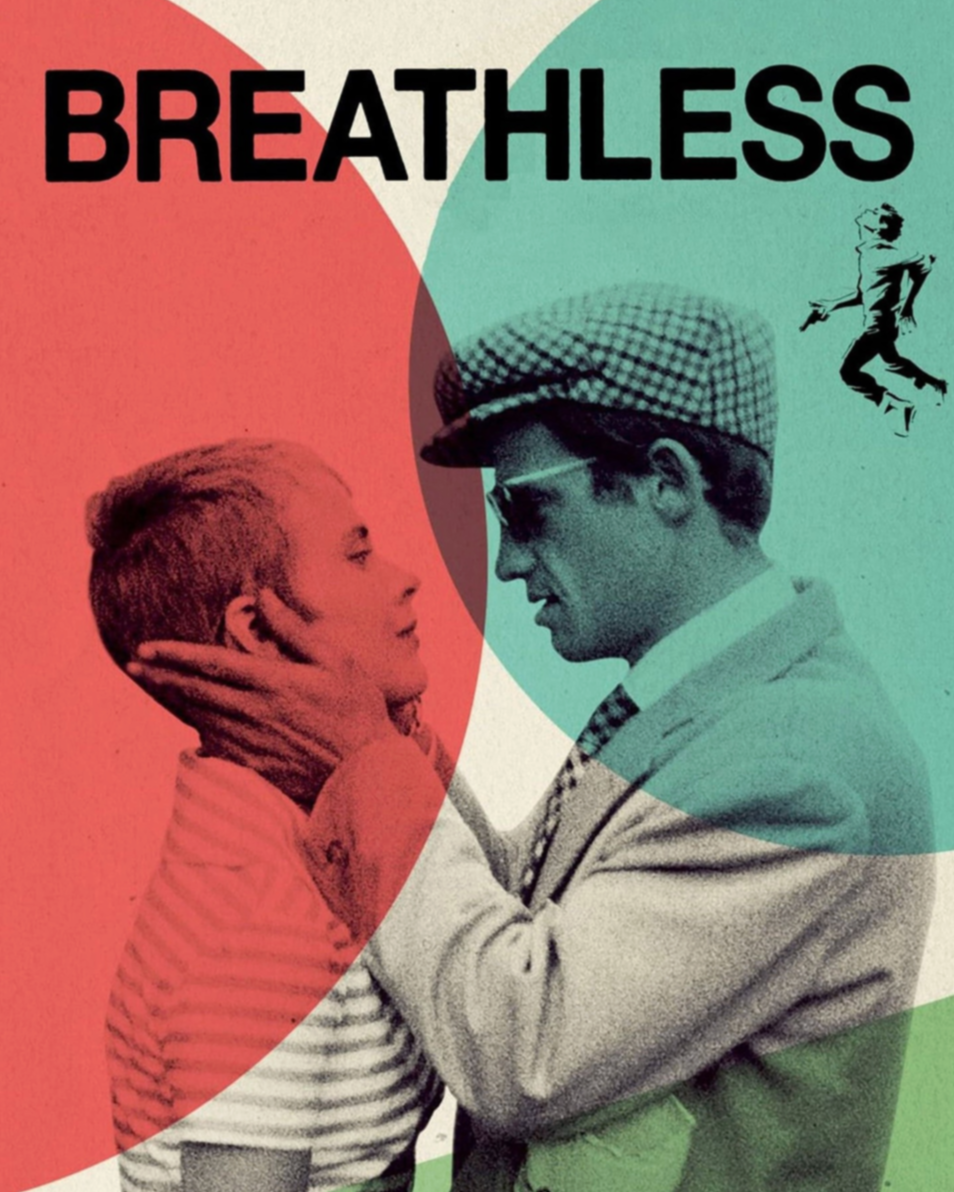
Breathless (1960)
Dir. Jean-Luc Godard
Rating: 4/5 stars
I wanted to deeply hate this movie; it is pretentious and feels more like reading a mid-century character piece than watching a film. For the first 20 minutes, I was ready to critique the less-than-passable editing and the heavy misogyny. I had no idea that this was the “thing” that basically created independent cinema. There is a moment where Michael Picard is walking through the bank, and the camera follows him down the hall. It is a simple tracking shot. It dawned on me that this was the first time someone had attempted that technique, and everything from here on made sense. Breathless is a surprisingly astute look into what Western society defines as the masculine ideal, and the lengths that we will go to uphold that image.
